
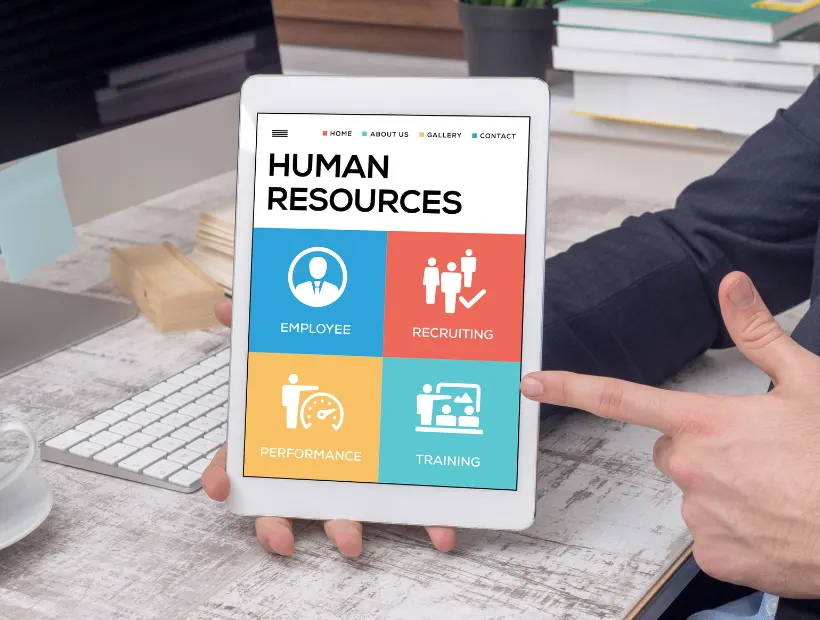

Managing people is hard enough. Managing people across spreadsheets, disconnected tools, and manual processes? That’s a disaster waiting to happen.
That’s exactly why HRIS systems have become non-negotiable for modern HR teams, startup founders, and People Ops leaders.
Whether you are running a 20-person startup or scaling a 2,000-employee enterprise, the right HRIS platform can save your team hundreds of hours.
It eliminates compliance headaches and gives you a real-time view of your entire workforce, all from one dashboard.
In this guide by Remire, you will learn:
- What HRIS systems mean and how they actually work
- The top 5 HRIS systems worth your attention in 2026
- How to choose the right one based on your company size and hiring model
- Why Remire stands out as the best HRIS solution for U.S. companies managing global teams
Let’s dive in.
What Is an HRIS System? (HRIS Meaning, Explained Simply)
HRIS stands for Human Resource Information System.
It’s a centralized software platform that helps businesses manage everything. It assists you in HR-related tasks, including employee data, payroll, attendance, onboarding, compliance, performance reviews, and more.
Think of it as the operating system for your people operations.
Here’s what a good HRIS system typically handles:
- Employee records and document management
- Payroll processing and tax compliance
- Time tracking, attendance, and leave management
- Onboarding and offboarding workflows
- Performance management and goal setting
- HR analytics and workforce reporting
HRIS vs. HRMS vs. HCM: What’s the Difference?
These terms often get used interchangeably, but here’s a quick breakdown:
| Term | What It Covers |
|---|---|
| HRIS | Core HR data, records, and compliance |
| HRMS | HRIS + payroll + time management |
| HCM | HRMS + talent management + strategic workforce planning |
The best platforms today, like Remire, combine all three into one unified system.
Streamline your global HR with one powerful system.
Explore how Remire’s HRIS unifies payroll, compliance, and team management across borders—get a personalized walkthrough today.
Why Your Business Needs an HRIS System Right Now
Still managing HR in spreadsheets? Here’s what that’s actually costing you.
Without a proper HRIS system, HR teams typically waste 40–60% of their time on manual, repetitive tasks. That’s time that should be going toward hiring, culture, and strategy.
Beyond time, there are real financial and legal risks:
- Payroll errors can lead to employee dissatisfaction and legal penalties
- Non-compliance with labor laws can result in fines and back taxes
- Poor onboarding leads to higher early-stage attrition
- Misclassification of contractors & employees can expose your company to serious legal liability.
Misclassification gets more complex with global contractors, so businesses invest in contractor risk assessment & strategies alongside HRIS tools
A modern HRIS system solves all of this, and the right one does it without a painful implementation or steep learning curve.
Top 5 HRIS Systems List
1. Remire HRIS: Best for Global Teams and U.S. Companies Expanding Internationally
Best for: Startups, SaaS companies, agencies, and growing U.S. businesses managing international contractors and employees.
If you are a U.S. company hiring global talent, managing cross-border payroll, or navigating international labor laws, Remire is built specifically for you.
Most HRIS tools are designed with domestic HR in mind. Remire is an all-in-one global HR platform that combines HRIS, contractor management, Employer of Record (EOR), and multi-country payroll into one clean, unified system.
What Makes Remire Stand Out:
- Global HRIS Dashboard — Manage employees and contractors across 60+ countries from one platform
- Automated Payroll & Tax Compliance — Global with built-in tax calculations, deductions, and on-time payments
- Smart Onboarding & Offboarding — From offer letter to exit clearance, every step is automated and documented
- Performance Management — Set goals, run 360-degree reviews, and track team performance with data-driven dashboards
- Time, Attendance & Scheduling — Biometric and web-based time tracking with custom reporting
- Employee Self-Service Portal — Employees can access payslips, apply for leave, update their info, and generate documents from their phone
- Built-in Compliance Engine — Country-specific labor law workflows that reduce misclassification risk
- Enterprise-Grade Security — AES-256 bank-grade encryption, MFA, and role-based access controls
- EOR & Contractor Management — Hire full-time employees abroad without setting up a legal entity
- Implementation Time: 2–6 weeks, depending on company size and complexity.
- Pricing: Flexible, transparent pricing with no hidden fees — based on the number of hires, hiring model, and countries involved.
Who It’s Built For:
- HR and People Ops teams managing distributed workforces
- Startup founders building remote-first global teams
- Finance teams needing structured payroll and reporting
- Legal and compliance teams managing cross-border risk
Remire is the only platform on this top 5 HRIS systems list that combines HRIS with cross-border employment and contractor management. These features make it the most complete solution for any U.S. company with international hiring ambitions.
2. BambooHR: Best for Small to Mid-Sized Domestic Teams
Best for: Small businesses with domestic-only hiring needs.
BambooHR is one of the most popular HRIS examples in the SMB space. It offers a clean interface, solid employee self-service features, and basic performance management tools.
Key Features:
- Employee records and org charts
- Applicant tracking system (ATS)
- PTO tracking and approvals
- Basic onboarding checklists
- Performance reviews
Where It Falls Short: BambooHR has limited global payroll support. If you are hiring internationally, it won’t give you the compliance infrastructure you need. It also lacks the EOR functionality that global-growth companies require.
3. Workday HCM: Best HRIS System for Large Enterprises
Best for: Large enterprises with complex, multi-department HR operations.
Workday is a heavyweight in the enterprise HRIS space. It’s known for its deep analytics, advanced financial planning integrations, and robust talent management features.
Key Features:
- Advanced workforce analytics and reporting
- Financial and HR data integration
- Talent acquisition and learning management
- Complex organizational hierarchy management
- Strong compliance tools for large domestic operations
Where It Falls Short: Workday is expensive, complex to implement (often 6–12+ months), and typically overkill for startups or growing companies. Its global contractor management capabilities are also limited compared to platforms like Remire.
4. Gusto: Best HRIS for Small Business Payroll
Best for: Small U.S. businesses looking for simple payroll + basic HR in one tool.
Gusto is a favorite among small business owners for its easy setup and friendly interface. It handles U.S. payroll very well and includes basic HRIS features like document storage and benefits administration.
Key Features:
- Automated U.S. payroll and tax filings
- Benefits administration (health, 401k)
- Employee onboarding tools
- Time tracking (with higher plans)
- Basic HR compliance tools
Where It Falls Short: Gusto is primarily a payroll tool with HR features bolted on. It has very limited international support, no contractor classification workflows, and no EOR capabilities. Growing companies quickly outgrow it.
5. Rippling: Best for Tech-Forward Teams Wanting HR + IT in One
Best for: Tech companies wanting to manage HR and IT systems together.
Rippling stands out for combining HR management with IT provisioning — meaning you can onboard an employee and set up their devices, apps, and system access simultaneously.
Key Features:
- HR + IT management in one platform
- Global payroll capabilities (limited countries)
- Automated app provisioning and device management
- Benefits and headcount planning
- PEO (Professional Employer Organization) option
Where It Falls Short: Rippling can get expensive quickly, especially with modular add-ons. Its global EOR coverage is more limited than specialized global hiring platforms like Remire, and the setup complexity can be a barrier for lean HR teams.
Top 5 HRIS Systems in 2026: Quick Comparison
| Feature | Remire | BambooHR | Workday | Gusto | Rippling |
|---|---|---|---|---|---|
| Global HRIS | 60+ countries | Limited | Enterprise | U.S. only | Limited |
| Contractor Management | Built-in | ❌ | ❌ | ❌ | Basic |
| Employer of Record (EOR) | Yes | ❌ | ❌ | ❌ | Limited |
| Payroll Automation | Multi-country | Basic | Enterprise | U.S. only | Some countries |
| Onboarding Automation | Yes | Yes | Yes | Yes | Yes |
| Performance Management | Yes | Yes | Advanced | Basic | Yes |
| Compliance Engine | Global | Domestic | Enterprise | Domestic | Partial |
| Implementation Time | 2–6 weeks | 2–4 weeks | 6–12+ months | 1–2 weeks | 3–6 weeks |
| Best For | Global teams | SMBs | Large enterprise | Small biz | Tech companies |
How to Choose the Right HRIS System for Your Business
Not every HRIS platform is right for every company. Here’s how to think through the decision:
Ask yourself these questions first:
- How many employees and contractors are you managing, and where are they located?
- Do you hire internationally or plan to in the next 12 months?
- What HR processes are costing your team the most time right now?
- What tools do you already use (payroll, accounting, ATS) that need to integrate?
- What’s your implementation budget and timeline?
Matching company type to the right HRIS:
- U.S. startup hiring globally → Remire (EOR + contractor management + global HRIS in one)
- Small domestic business → Gusto or BambooHR
- Fast-growing tech company → Remire or Rippling
- Large enterprise → Workday
- Company needing IT + HR integration → Rippling
Most companies choose based on price—then face limitations when scaling or hiring globally.
Best HRIS Systems for Large Companies vs. Small Businesses
Best HRIS for Large Companies
Large organizations need enterprise-grade reporting, complex org structures, and multi-country payroll. Workday dominates the enterprise space, but it comes with heavy implementation costs and long timelines.
For global companies needing agility, Remire delivers enterprise compliance and payroll without long implementation delays.
Best HRIS for Small Business
Small businesses need a solution that’s simple, affordable, and covers the essentials: payroll, onboarding, and employee records.
Gusto and BambooHR are solid options for domestic-only small businesses. Once your small business starts hiring internationally, those platforms quickly show their limits.
Many growing companies that aren’t ready for full software adoption often start with HR services to handle HR operations before transitioning to a full HRIS platform.
Remire is uniquely positioned here, too. Flexible pricing and quick setup make it ideal for startups, while its global capabilities support you as you scale.
FAQs: Top 5 HRIS Systems
Can an HRIS system handle international payroll and compliance?
Most standard HRIS tools are built for domestic use and lack true multi-country payroll and compliance capabilities.
How long does it take to implement an HRIS?
It depends on the platform and your company’s size. Remire’s implementation runs 2–6 weeks. Workday can take 6–12+ months for large enterprises.
Conclusion: The Right HRIS System Pays for Itself
Choosing among the top 5 HRIS systems isn’t just a tech decision but a strategic one. The wrong platform leads to manual work, compliance risks, and limits global hiring. While the right one saves time and scales with you.
Most tools work well for specific needs.
But for U.S. companies managing global teams, Remire stands out, combining HRIS, Employer of Record, contractor management, and global payroll in one platform.
Ready to simplify your global HR operations?
See how Remire can centralize your HRIS, automate global payroll, and keep your team compliant across 60+ countries — starting in as little as 2 weeks.